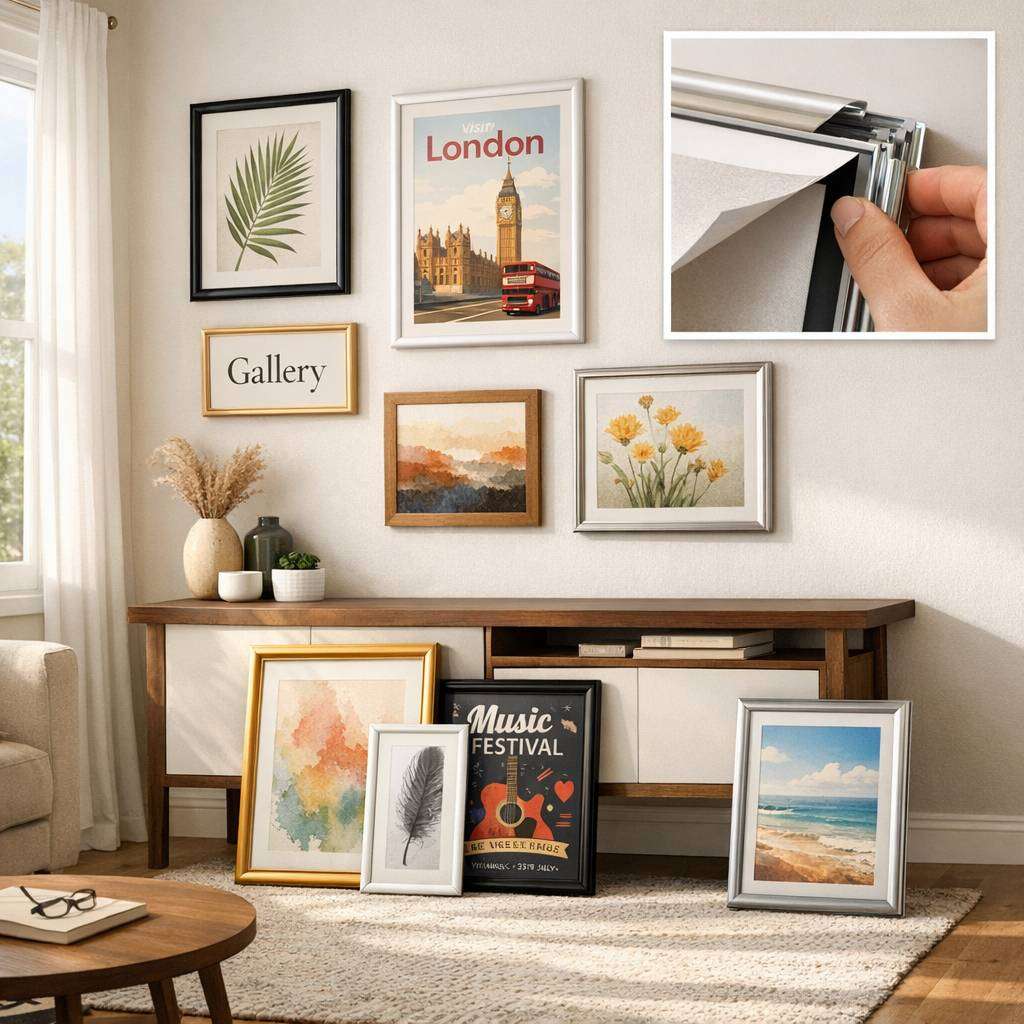
Choosing the right display solution for your artwork, photography, or certificates can dramatically impact how the work is perceived. A snap frame offers a clean, professional presentation with the convenience of easy changes, making it a popular choice for galleries and homes alike. This guide provides expert insight into selecting the optimal snap frame for your space, budget, and curation needs, while highlighting practical considerations from material to size and mounting.
Understanding snap frames and their benefits
Snap frames are lightweight, rigid frames with a hinged or magnetic front that snaps shut to hold a print in place. They are designed for quick, tool-free interchange of artwork, posters, or photographs, typically using a flexible hinged cover or a translucent sheet to protect the print. The key benefits include:
- Quick rotation of exhibitions: With a snap frame, you can replace images in moments, enabling frequent updates without professional framing.
- Clean, modern presentation: The minimalistic edge and transparent cover keep the focus on the artwork, not the frame.
- Cost-effective display: For galleries that regularly rehang works or for homeowners who frequently refresh wall decor, snap frames offer substantial savings over traditional framing.
- Protection and preservation: While not a substitute for archival framing, most snap frames provide a protective layer against dust and fingerprints and keep prints flat.
When considering snap frames, think about where they will be used, what media you’ll display, and how often you’ll change the content. These factors will guide your choice of size, profile, and mounting method.
Choosing the right size and format
The size of your snap frame should align with the print dimensions, as well as the wall space and viewing distance:
- Standard sizes: Common options include A4, A3, and larger sizes such as 16×20 inches or 20×24 inches. If you frequently rotate works or work with photography or large prints, consider larger formats or a modular system that can adapt to different dimensions.
- Aspect ratio compatibility: Ensure the frame accommodates the artwork’s aspect ratio without distorting the image. Some snap frames have a slightly larger outer edge with a snug inner opening to accommodate mounting hardware or mats.
- Wall space and viewing distance: For small spaces or intimate collections, a compact snap frame can create a gallery-like ambience without overwhelming the room. In larger rooms or gallery settings, multiple frames or a grid arrangement can create a curated focal point.
When sizing, also account for matting or borders. Snap frames can be used with or without mats; if a mat is desired, ensure the interior aperture matches the print size and that the frame’s front clearance can accommodate the mat and print together.
Material, profile and protection considerations
The material and profile of a snap frame influence durability, aesthetics, and ease of use:
- Frame materials: Aluminium and high-grade plastics are the most common choices. Aluminium profiles offer a sleek, contemporary look and strong rigidity, while plastic frames can be lighter and more economical. For a high-end gallery feel, opt for a minimal, anodised aluminium finish.
- Front cover: Most snap frames feature a hinged or magnetic front cover made from clear PET or polycarbonate. Polycarbonate offers superior impact resistance, which is advantageous in busy public spaces or homes with children.
- Profile depth: A shallow profile sits flush against the wall and suits minimalist interiors, while a deeper profile can accommodate mats or thicker prints and provide a more substantial aesthetic.
- UV protection: If you plan to hang prints in bright daylight or near windows, look for frames that include UV-blocking materials or offer UV-filtered acrylic to limit fading over time.
- Anti-glare: In spaces with strong lighting, an anti-glare front can reduce reflections, improving readability and colour accuracy.
Protection is important, but so is accessibility. Snap frames should be easy to open without tools, allowing you to swap content rapidly. Consider models with a recessed inner tray that protects the print edges and keeps the image taut.
Snap frames bring effortless wall art display and instant organization to any room. They make gallery-looking decor quick and accessible, with sturdy glass fronts and easy swapping. For stylish visuals, check this option: snap frames. Elevate spaces today.
Mounting options and installation
How a snap frame is mounted can affect both safety and display quality:
- Wall mounting: Most snap frames come with wall fixings that enable portrait or landscape orientation. When installing, ensure the frame is level and securely anchored, especially for larger frames or in high-traffic areas.
- Freestanding displays: Some snap frames are designed to stand on shelves or plinths, which is ideal for temporary exhibitions or spaces where wall mounting isn’t feasible.
- Cable or rail systems: For dynamic, changing exhibits, consider snap frames that integrate with rail systems or wall-mounted cables. This facilitates precise alignment and easy interchange across multiple frames.
- Accessibility: In public galleries, ensure the mounting height complies with accessibility guidelines so that a wide audience can interact with the display.
Budgetary considerations also come into play. While snap frames are generally more economical than traditional framing, higher-end materials and features—like UV protection, anti-glare fronts, or premium finishes—will influence price. If you plan long-term rotations or a gallery-like presentation, investing in a robust, professional-grade snap frame can yield dividends in reduced maintenance time and enhanced presentation.
Practical tips for a cohesive display
- Uniformity across a collection: Use frames with matching profiles and finishes to establish visual consistency, even if prints vary in subject.
- Colour and lighting: Align frame colour with room tones and select lighting that enhances the artwork without creating glare.
- Swap schedule: Plan rotations around a seasonal or themed cycle to keep the space fresh and engaging.
- Security: In public areas, consider locking snap frames or using tamper-evident solutions to protect valuable works.
By understanding the key factors—size, material, protection, mounting, and overall presentation—you can choose the right snap frame for your gallery or home. A thoughtful selection will not only safeguard your prints but also elevate their impact, turning walls into a curated, dynamic exhibit.
